Why Your Cat Drinks Less in Summer (And How to Fix It)
I noticed it on a Tuesday. Milo, my 7-year-old tabby, walked past his water bowl like it was furniture. This was a cat who normally polishes off 200ml by noon. It was 94 degrees in Portland, our apartment had no AC, and my cat was acting like hydration was optional. I mean, look, I get it. I do not feel like drinking water when I am sweating either. But cats are not supposed to sweat. They are supposed to pant. And Milo was not panting. He was just ignoring his bowl. I watched him for an hour. He sniffed it. He walked away. He came back. He walked away again.
I called my former colleague at the specialty clinic. She said what I already knew but did not want to hear. Cats reduce voluntary water intake when ambient temperature rises above 85 degrees. Their thirst drive is blunted by heat stress. It sounds backwards. You would think a hot cat would drink more. But feline physiology does not work that way. Their renal system compensates by concentrating urine, which masks dehydration until it is already a problem. By the time you see sunken eyes or tacky gums, your cat is down 5% body water. That is a dangerous place to be.
Luna, my Siamese mix, was doing the opposite. She was drinking more. That is the frustrating part about multi-cat households. One cat dehydrates silently while the other overcompensates. I had to separate their bowls and track intake individually. The Cat Calorie Calculator helped me factor in the moisture Luna was getting from her wet food, which was covering about 60% of her daily water needs. Milo, the dry-food guy, was getting maybe 10% from his kibble. He was losing water through respiration and not replacing it.
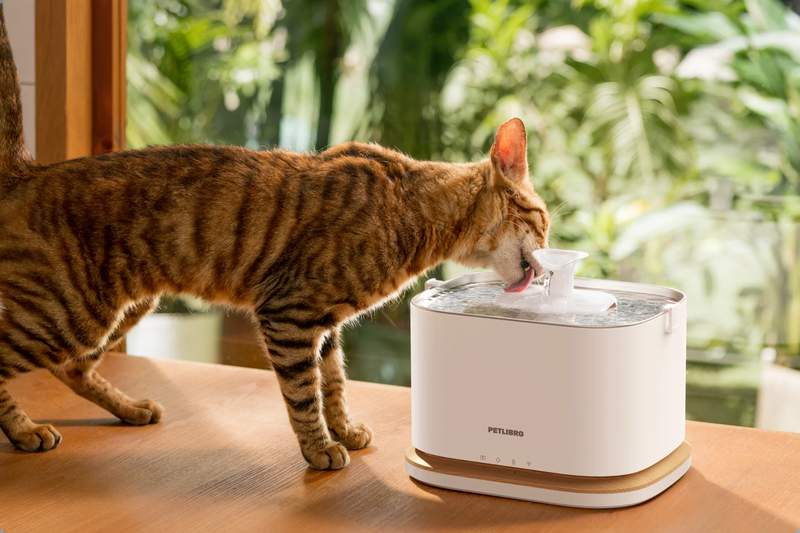
The fix is not just adding more water bowls. Cats are weird about stagnant water. In the wild, they drink from moving streams. In my apartment, they drink from the bathroom faucet at 3 AM. I bought a pet fountain. Milo ignored it for three days, then suddenly decided it was the best thing ever. Cats. I also started adding a tablespoon of water to his wet food at dinner. Not enough to change the texture, just enough to sneak in extra hydration without him noticing.
The Body Condition Score Checker became my weekly ritual. I was not worried about weight gain. I was worried about muscle loss from dehydration. A dehydrated cat loses muscle tone before they lose fat. Milo was a 6 on the 9-point scale in June. By mid-July, he was a 5.5. Not dramatic, but directional. I caught it because I was checking. Most cat parents do not check. They wait for the vet to tell them something is wrong.
Here is where it gets interesting. A 2024 study from the University of Cambridge found that indoor cats in climates with temperatures above 90 degrees had a 30% increase in urinary tract issues during summer months. The correlation was not with outdoor access. It was with water intake. Cats that drank less had more crystals, more infections, more emergency vet visits. The researchers recommended increasing moisture content in food before adding more water bowls. The food matters more than the bowl. I switched Milo to a 50-50 wet-dry split for July and August.
His water intake from drinking did not change much. But his total water intake went up 40% because the wet food is 78% moisture. The Cat Weight Tracker showed no change in his actual weight, which was the goal. I was not trying to make him gain or lose. I was trying to keep him hydrated without him knowing I was manipulating him. Because cats hate being manipulated. They also hate being hot. It is a delicate balance that requires data and patience.
If your cat is drinking less this summer, do not wait for them to get thirsty. Their thirst drive is broken by design. Add moisture to their food. Check their body condition weekly. And if you have a pet fountain, clean it. Milo will judge you if you do not. And so will I.
— Olivia Brennan, Certified Veterinary Nutritionist, Portland
Milo has opinions about water. He will drink from the bathroom faucet. He will drink from a dripping shower. He will not drink from a bowl that has been sitting for more than 20 minutes. This is not fussiness. This is evolutionary behavior. Stagnant water in the wild carries bacteria. Moving water is safer. I bought the fountain because I respect his evolutionary programming, even when it is inconvenient at 3 AM.
Luna, meanwhile, has decided the fountain is a toy. She bats at the stream. She gets her whiskers wet. She drinks accidentally while playing. I do not care how she hydrates as long as she hydrates. But I do track her weight separately because Siamese mixes are prone to pica and odd eating behaviors. She once ate a rubber band. She is not a normal cat. None of them are.
Portland hit 102 degrees last August. Milo spent the day sprawled on the bathroom tile, which is the coolest surface in the apartment. I moved his fountain into the bathroom. He drank more that day than any day in July. Temperature and location matter. If your cat is ignoring their water, move it. Change the temperature. Change the bowl. Change the game. Because dehydration in cats is silent until it is expensive. And I have seen the vet bills. They are not silent at all.